How to Choose a Road Surfacing Contractor for Commercial Projects
May 17, 2026 Road Surfacing 6 min read
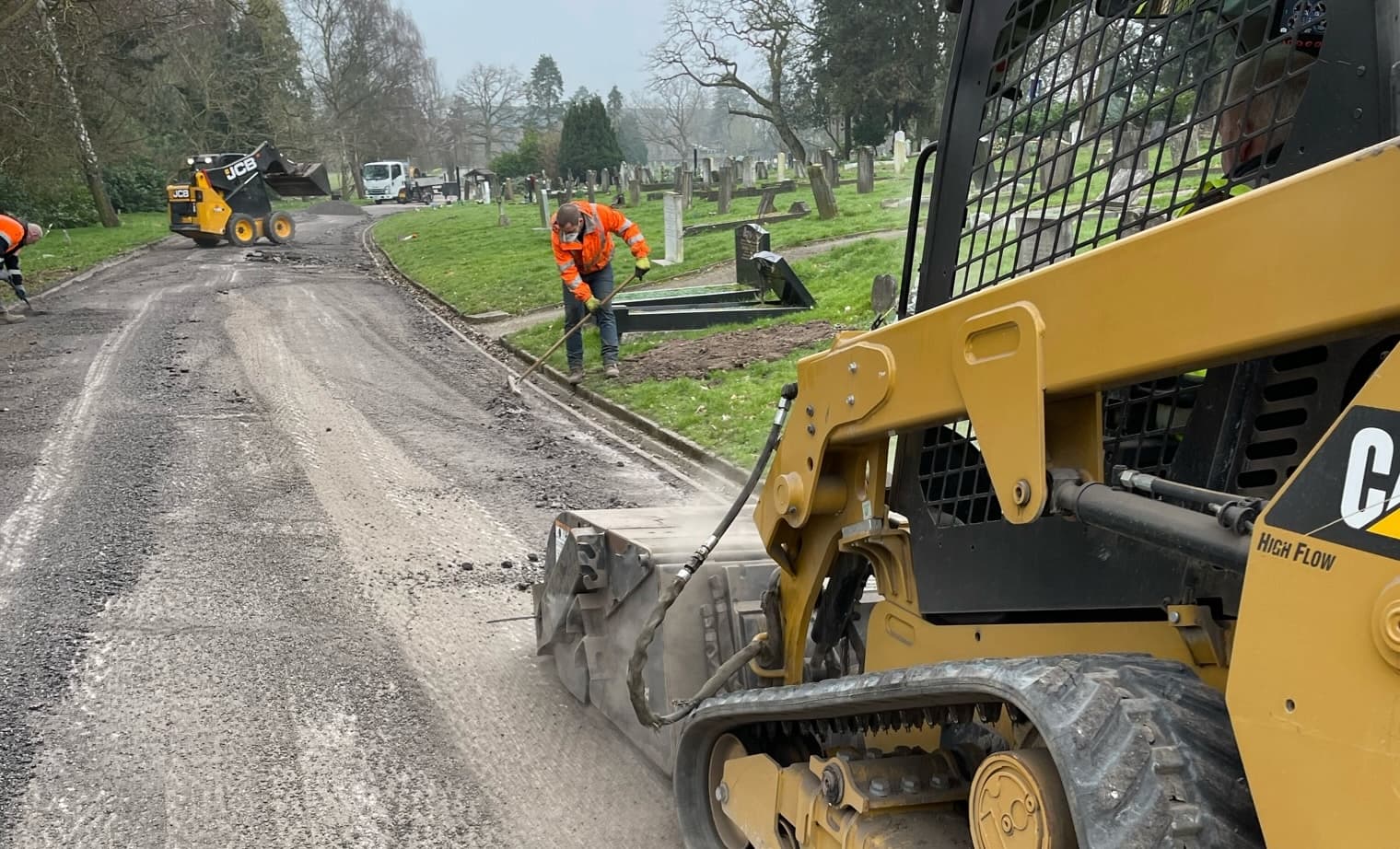
Choosing the right contractor for a commercial road surfacing project is a decision that has long-term implications for safety, durability, disruption, and overall cost. Whether it’s an industrial estate, private access road, business park, or large car park, the quality of workmanship and planning directly affects how well the surface performs over time.
With so many companies offering surfacing services, it can be difficult to separate experienced commercial contractors from those primarily focused on smaller domestic work. This guide outlines the key factors to consider when choosing a road surfacing contractor in the UK, helping you make a more informed and confident decision.
Understanding the Difference between Commercial and Domestic Surfacing
Not all surfacing contractors operate at the same scale. A key starting point is understanding whether a company genuinely handles commercial road projects. Commercial surfacing typically involves:
- Larger surface areas (roads, estates, business parks, logistics hubs)
- Heavier traffic loads, including HGVs
- More complex drainage and ground preparation requirements
- Traffic management planning
- Compliance with stricter safety and specification standards
A contractor experienced in this environment will approach the job very differently compared to one focused mainly on residential driveways.
Check Relevant Experience with Similar Projects
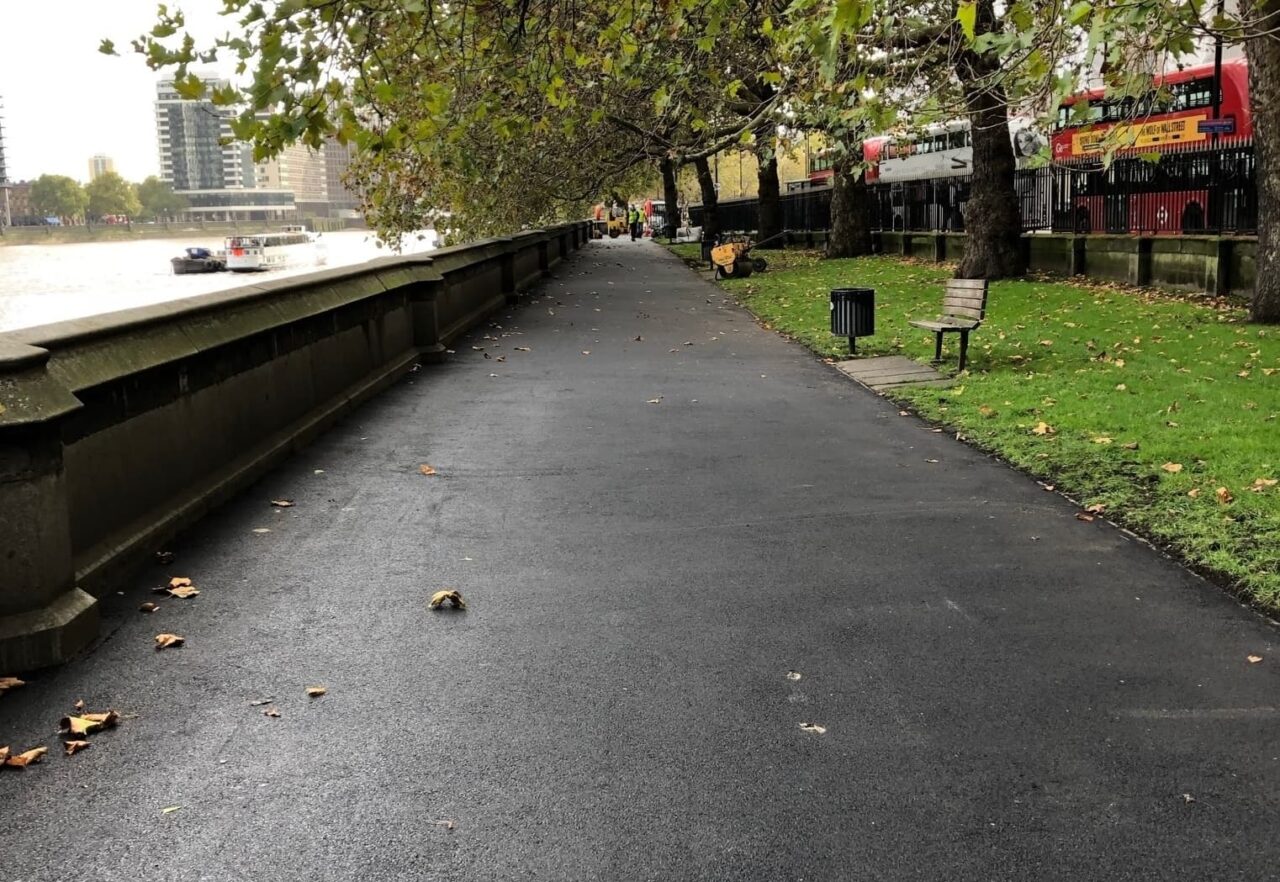
One of the most reliable indicators of capability is past work on similar projects. Commercial surfacing is highly dependent on experience, particularly when dealing with load-bearing requirements and long-term durability.
When reviewing a contractor, look for the following:
- Completed industrial estate or access road projects
- Large-scale resurfacing work (not just small driveways)
- Case studies or project examples with measurable detail
- Experience working alongside councils, developers, or facilities managers
If a company cannot clearly demonstrate relevant commercial work, it may not be the right fit for larger or more complex projects.
Accreditation, Insurance and Compliance
Commercial road surfacing involves significant safety and liability considerations. A reputable contractor should be fully transparent about their compliance and coverage.
Important checks include:
- Public liability insurance
- Employer’s liability insurance
- Health and safety compliance procedures
- Industry-recognised accreditations or certifications, such as CHAS, CSCS and NRSWA
- Understanding of UK construction site regulations
These elements are not just administrative details, they directly impact how safely and legally the project is delivered.
Site Surveys and Project Planning Approach
A professional contractor will never provide a meaningful quotation without a proper site assessment. The initial survey stage is critical for identifying risks and ensuring the surface is designed correctly for its intended use.
A strong commercial surfacing proposal should include:
- Detailed site inspection and measurements
- Ground condition assessment
- Drainage evaluation
- Load and usage considerations
- Clear breakdown of materials and methods
If a quotation is provided without a thorough survey, it may indicate a lack of attention to detail that could affect the finished result.
Traffic Management and Minimising Disruption
For commercial sites, one of the biggest challenges is maintaining access and reducing disruption during works. This is particularly important for:
- Warehousing and logistics sites
- Retail parks
- Business estates with daily traffic flow
- Roads that serve multiple tenants or units
A competent contractor should be able to plan:
- Phased working schedules
- Temporary access arrangements
- Safe pedestrian and vehicle routing
- Clear communication with site stakeholders
Poor planning in this area can lead to operational delays and unnecessary downtime.
Quality of Materials and Methodology
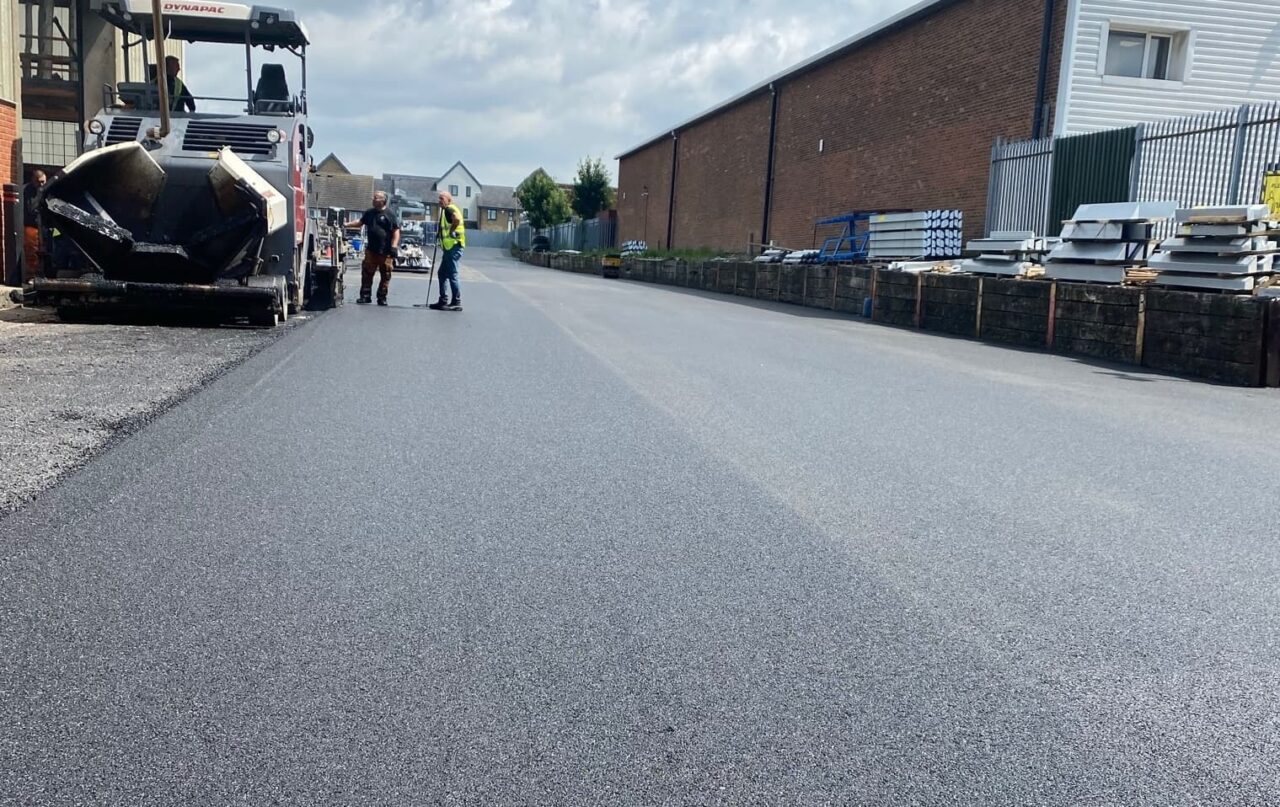
The longevity of a surfaced road is heavily influenced by the materials used and the preparation of the base layer. In commercial environments, the sub-base is just as important as the surface layer itself.
Key considerations include:
- Suitability of asphalt or tarmac specification for traffic loads
- Depth and strength of the sub-base
- Drainage design to prevent water damage and surface failure
- Edge restraints and finishing quality
A reliable contractor should be able to explain why specific materials and construction methods are being used for your project, rather than offering a one-size-fits-all approach.
Red Flags to Watch Out For
Choosing the wrong contractor can lead to premature surface failure, unexpected costs, and ongoing maintenance issues. Some warning signs include:
- Extremely low quotes compared to others with no clear explanation
- Lack of written specification or vague proposals
- No evidence of previous commercial work
- Poor communication during the enquiry stage
- Reluctance to carry out a proper site survey
In surfacing work, the cheapest option is rarely the most cost-effective in the long term.
Why the Right Contractor Matters Long-Term
A well executed commercial surfacing project should last many years with minimal intervention. Poor workmanship, on the other hand, often leads to issues such as:
- Early cracking or potholes
- Water pooling and drainage failure
- Edge breakdown and surface movement
- Increased repair and maintenance costs
Choosing an experienced contractor helps ensure the road is built to handle real-world conditions from the outset, reducing disruption and long-term expenditure.
Final Thoughts
Commercial road surfacing is a specialist area that requires careful planning, technical understanding, and proven experience. Taking time to assess contractors properly can make a significant difference to the success and lifespan of the finished surface.
A strong contractor should be able to demonstrate experience, provide clear technical guidance, and deliver a structured approach from survey through to completion.
For businesses, developers, and estate managers, this level of due diligence is not just recommended, it’s essential for ensuring the long-term performance and safety of any surfaced road.
FAQs: Choosing a Road Surfacing Contractor
How do I know if a road surfacing contractor is suitable for commercial work?
Look for evidence of completed commercial projects such as industrial estates, business parks, or access roads. Domestic driveway experience alone is not enough for larger-scale works.
What should be included in a commercial surfacing quote?
A proper quote should include a site survey, ground preparation details, drainage considerations, materials specification, and a clear breakdown of costs and timelines.
Why is site surveying important before road surfacing?
A survey ensures the contractor understands ground conditions, drainage needs, and traffic load requirements. Without it, the surface design may not be suitable for long-term use.
What are the biggest warning signs when choosing a contractor?
Very low prices without explanation, lack of written specifications, no commercial project examples, or reluctance to visit the site are all strong red flags.
Does the cheapest contractor usually offer the best value?
Not usually. Poor preparation or materials can lead to early failure, meaning higher repair costs over time. Quality workmanship typically reduces long-term expense.
Get your free surfacing quote
Let our team of experts handle your surfacing — get a free quote today.