How to get my driveway extended?
December 03, 2025 Driveways 7 min read
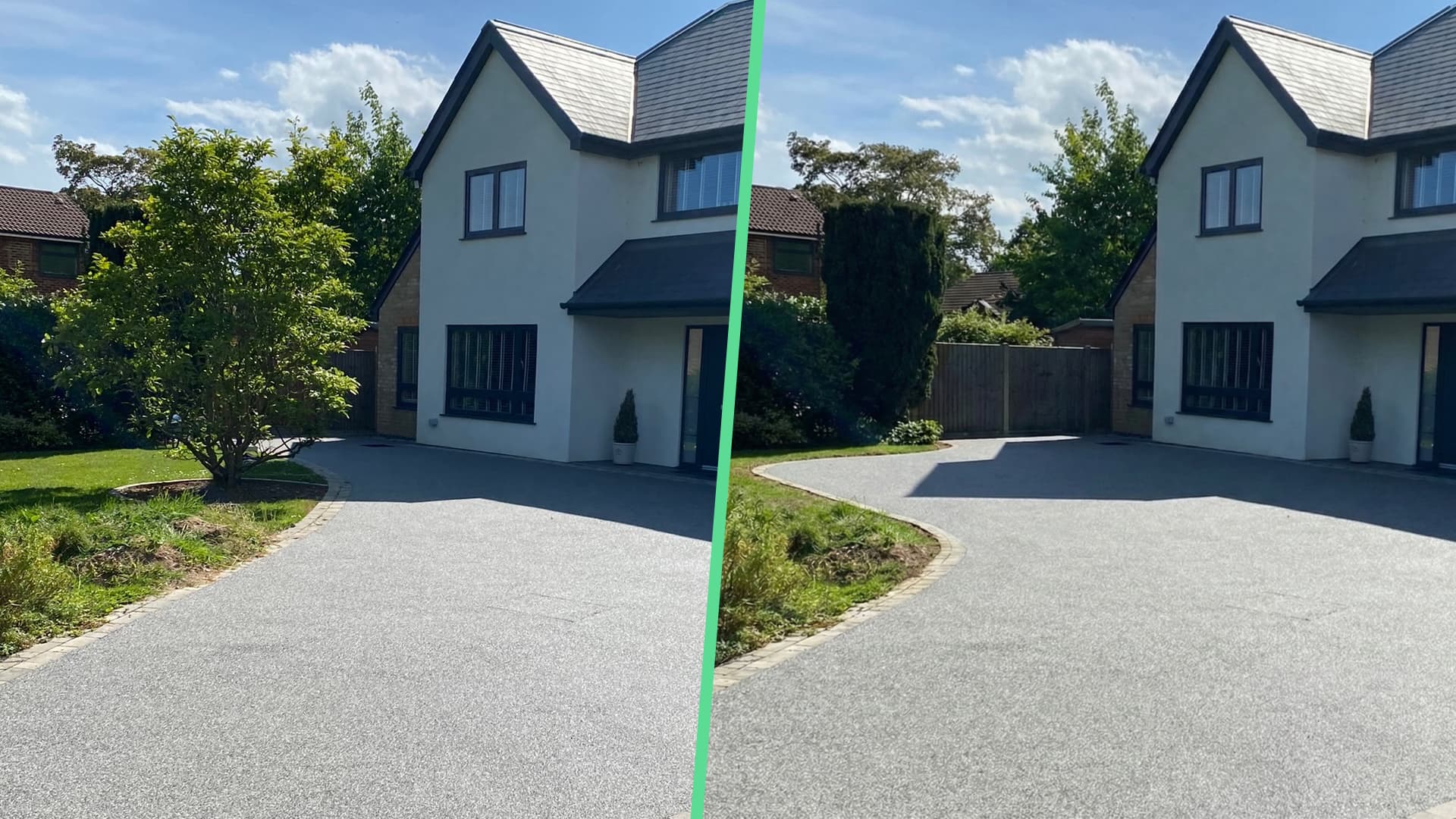
Tired of squeezing your car into a tight spot every evening? Or watching guests circle the street for parking? Many homeowners face these issues as families grow or vehicles multiply. A driveway extension can solve that hassle. It means adding length or width to your current drive to fit more cars, a caravan, or even a play area.
This guide walks you through the full process. You’ll learn how to plan, get permits, pick materials, and hire professionals. The goal? A smooth driveway extension that boosts your home’s value and daily ease. By the end, you’ll feel ready to start.
Assessing Your Need and Feasibility for Driveway Extension
Start here to avoid costly mistakes. Think about why you want this change. Is it for extra parking? Or to create a turnaround spot? These steps help you gauge if it’s right for your property.
Determining the Optimal Extension Size and Scope
Measure your current driveway first. Note its length and width in metres. For a two-car setup, you need at least 5.5 metres wide and 6 metres long. That’s enough for side-by-side parking without scraping doors.
Consider your needs. If you own a boat or camper van, add 3 to 4 extra metres. Use a tape measure and sketch a simple plan. This shows how much space fits your goals. Tools like free online calculators can refine your numbers.
Common reasons include fitting a third vehicle or easing snow removal. Always check against your yard’s limits. A small addition might cost less but solve big problems.
Understanding Local Zoning Regulations and Setbacks
Rules vary by area, so know yours. Most councils limit how close a driveway can sit to property lines. Front yards often need a 1.5-metre setback from the road. Side yards might require 0.6 metres from fences.
Septic tanks or drains add restrictions. Keep extensions at least 3 metres away from these. Check your local council’s website or call them. A land surveyor can map exact boundaries for a fee around £200 to £500.
Break the law, and you face fines up to £1,000 or orders to tear it out. Better to plan ahead. This step saves headaches later.
Evaluating Subsurface Conditions and Drainage Impact
Soil type matters a lot. Clay holds water and shifts under weight, so test it if unsure. Hire a pro for £100 to £300 to check stability.
Adding hard surfaces like concrete blocks rainwater flow. This raises flood risks nearby. Opt for permeable options, like porous asphalt, to let water soak in. They cut runoff by up to 90%, per UK drainage studies.
Think about slopes too. Poor grading leads to puddles. A slight tilt away from your house keeps things dry. These checks ensure your new drive lasts.
Budgeting and Selecting the Right Driveway Material
Money talks in any project. Set a realistic budget early. Factor in surprises like rocky ground. This section breaks down costs and choices.
Factors Influencing Driveway Extension Pricing
Expect to pay £50 to £150 per square metre installed. Labour makes up 40% of that, materials another 30%. Excavation bumps costs if roots or old slabs need removal, so add £20 to £50 per square metre.
Permits run £100 to £300, depending on your council. Location plays a role, so urban spots cost more due to access issues. For a 20-square-metre extension, totals might hit £2,000 to £5,000.
Gravel stays cheapest at £30 per square metre. Concrete or asphalt pushes £80 to £120. Save by doing minor prep yourself, but leave heavy work to experts.
Comparing Material Options for Durability and Aesthetics
Pick based on your climate and style. Each has pros and cons.
- Concrete: Lasts 25 to 30 years with low upkeep. Stamp it for a stone look or colour it to match your house. It handles UK winters well but cracks if not sealed yearly.
- Asphalt: Cheaper upfront at half concrete’s price. Fixes are simple and you can patch small holes easily. It lasts 15 to 20 years but fades in sun and softens in heat.
- Pavers or Gravel: Gravel drains best and costs least. Pavers offer patterns for charm, like brick layouts. They install faster but shift over time, needing occasional resets.
Weigh looks against maintenance. Concrete shines for modern homes whilst gravel suits rustic ones. All boost kerb appeal, raising home value by 5% on average.
Financing Your Driveway Project
Tight budget? Use a home improvement loan from your bank. Rates hover at 5% to 8% now in 2025. Or tap equity if your mortgage allows and borrow against your home’s worth.
See it as an upgrade. A fresh drive can add £5,000 to your property price, per recent estate agent data. Pay in stages to ease the cost and get multiple quotes for the best deal.
Navigating the Permit and Approval Process
Paperwork feels dull, but skip it and regret follows. Get approvals before digging. This keeps your project legal and safe.
Step-by-Step Guide to Acquiring Necessary Permits
Contact your local council first. Submit a site plan showing old and new layouts. Include material types and sizes, drawn to scale.
Fees apply, and waits take 4 to 8 weeks. Provide proof of ownership if asked. Once approved, post the permit on site.
No permit? Fines start at £500, and you might remove the work at your cost. It’s worth the effort for peace of mind.
The Role of Utility Locates (Call Before You Dig)
Digging blind risks hitting pipes or wires. Dial 811, which is free in the UK. They can mark lines in 2 to 3 days with flags.
Wait for marks before any shovels. Hitting a gas line could cost thousands in repairs. This simple call prevents disasters.
Hiring and Vetting Professional Driveway Contractors
Pros make the job quality, so vet them carefully to avoid getting let down. Look for experience with extensions like yours.
Key Criteria for Selecting a Qualified Paving or Concrete Contractor
Check licences since most need CSCS cards in the UK. Insurance covers accidents so ask for proof of £1 million liability at least.
Review past work. Visit sites or see photos of similar jobs. Word-of-mouth from neighbours is also a great place to start.
Aim for companies with 5+ years in business. They know local tricks, like dealing with rainy weather.
Requesting and Analysing Quotes Effectively
Get three quotes in writing. Each should list prep, materials, and cleanup. Compare apples to apples, no vague “extras”.
Watch for driveway quotes that seem too low, as they often cut corners. A solid quote details timelines, like 3 to 5 days for a small extension.
Questions to Ask Potential Contractors Before Signing
Prepare a list to grill them.
- Who sorts the permits? You or me?
- What’s the warranty? E.g. 5 years on labour?
- How do you handle waste and site mess?
- Any sub contractors involved, and do they carry insurance?
- Timeline for start and finish?
Clear answers build trust. Sign only after you’re sure.
The Driveway Extension Execution Phase
Now the fun part of watching it build. Stay involved but let pros lead. Good oversight ensures top results.
Site Preparation and Excavation Best Practices
Clear the area of grass or debris first. Dig to 150 to 200 mm deep for the base. Add gravel layers and compact each for strength.
Grade for drainage with a 1-2% slope. This prevents water pooling. Poor prep shortens life so it’s important to do it right.
Managing Subcontractors (if Applicable, e.g., Utility Work)
If drains need moving, coordinate early. The main contractor should handle this, but confirm.
Schedule trades to overlap less. Plumbers first, then pavers. Track progress daily to stay on time.
Curing and Sealing: Protecting Your New Investment
Wait before use. Concrete needs 7 days to cure fully and asphalt sets in 24 hours. Light traffic sooner, but follow advice.
Seal asphalt every 2 to 3 years for UV protection. It extends life by 50%. In wet UK climates, this fights cracks.
Finally, enjoying Your Expanded Driveway
You’ve covered the bases, from assessing needs to final seals. Planning smart, getting permits, hiring well, and executing carefully lead to success. Your new space adds convenience and charm, making home life smoother.
Key takeaways:
- Measure twice and check rules.
- Budget for the full picture, including surprises.
- Vet contractors like you’d pick a doctor.
- Safety trumps speed.
Ready to expand? Contact your council today. Your dream driveway awaits.
Get your free surfacing quote
Let our team of experts handle your surfacing — get a free quote today.