Planning a New Driveway? Why Spring or Summer Works Best in the UK
February 23, 2026 Driveways 4 min read
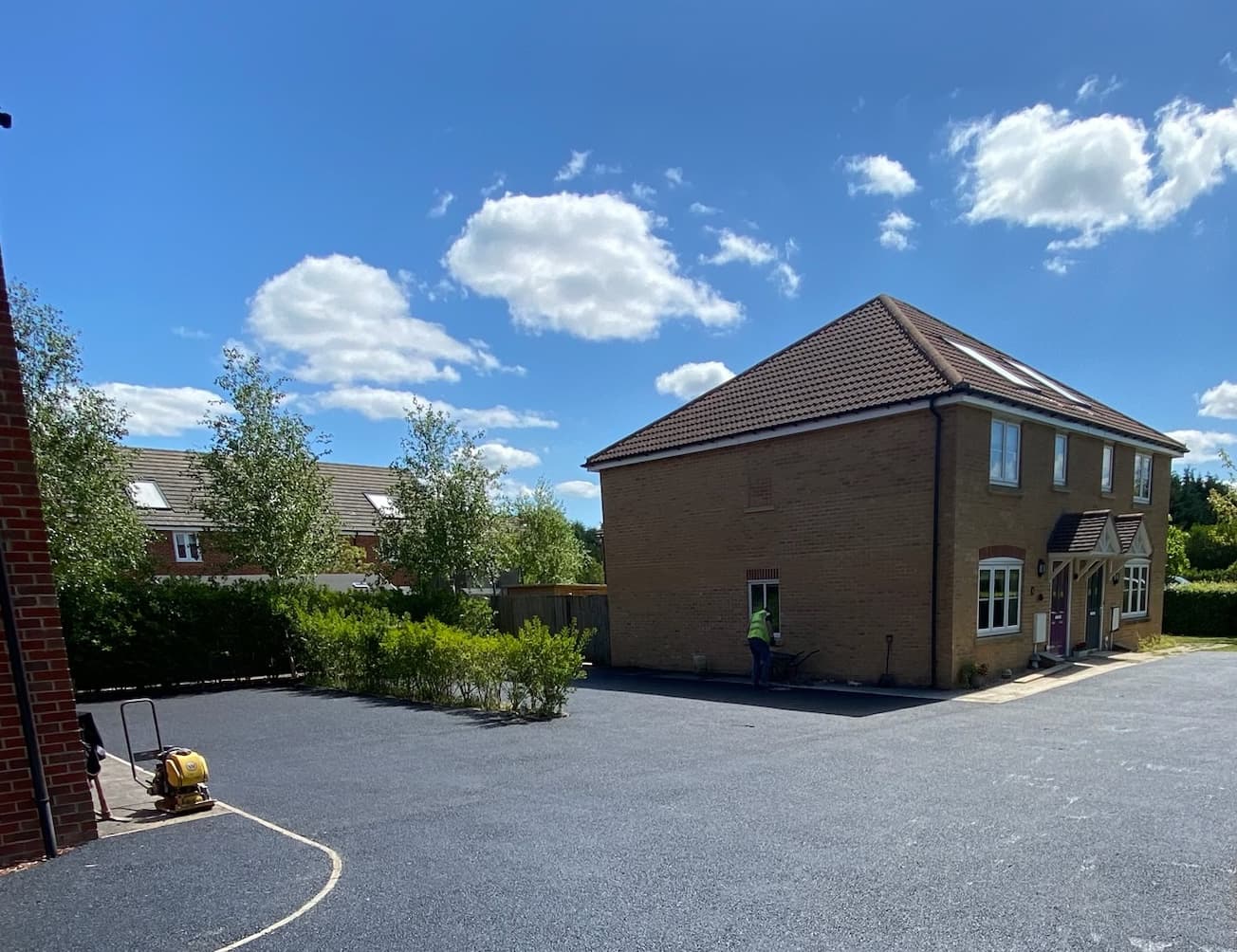
A smooth, durable driveway boosts your the look of your home and handles daily traffic with ease. But timing your installation is crucial. Choosing the right season ensures a surface that lasts decades, while the wrong timing can lead to cracks, puddles and costly repairs.
In the UK, weather swings from soggy winters to warm summers and plays a big role in driveway surfacing. Spring and summer provide the ideal conditions that help materials cure properly, the ground stay firm, and your project run smoothly.
Why Season Matters (Temperature and Material Curing)
Warm weather supports proper curing for tarmac, asphalt, and concrete. Cold snaps or heavy rain can slow this process, leaving your driveway prone to early wear.
- Asphalt and tarmac need air and ground temperatures above 10°C to bind properly. Cold weather causes soft spots and uneven compaction.
- Concrete relies on hydration to gain strength. Temperatures below 5°C can prevent it from reaching full compressive strength, risking cracks and crumbling edges.
Spring and summer provide steady warmth, helping materials set strong and flexible, ready to withstand the UK’s variable weather.
Sub-Base Stability (The Foundation of Your Driveway)
A solid sub-base is essential for a level, long-lasting driveway. MOT Type 1 stone is commonly used, but:
- Wet or frozen ground (autumn/winter) can become unstable, causing bumps and dips.
- Frost heave expands water in the soil, displacing your base and weakening the surface.
Dry ground in spring and summer ensures a firm, level foundation, reducing the risk of early damage.
Weatherproofing Your Driveway
UK weather can sabotage a driveway if not timed properly:
- Rain can wash away binding agents in tarmac or concrete, creating voids that trap water and cause erosion.
- Frost freezes moisture in fresh materials, leading to chips and cracks.
- Daylight: Spring and summer offer up to 16 hours, giving crews enough time to work thoroughly without rushing.
By installing during warmer months, you avoid these issues and secure a smooth, durable surface from day one.
Logistics and Labour for Maximising Efficiency
Timing also impacts scheduling, availability, and costs:
- Contractor availability: Professional UK installers book quickly as spring arrives. Early planning in February or March helps secure the best teams.
- Material supply: Dry months ensure consistent delivery of asphalt, tarmac, and aggregates, keeping the project on track.
- Site access: Dry soil prevents machinery from bogging down and reduces mess, protecting your garden and neighbours’ property.
Spring and summer installations run more efficiently, often finishing faster and cleaner.
Achieving a Perfect Finish
Warm, dry conditions allow pros to nail the details:
- Surface preparation: Dry soil enables accurate levelling and strong edging.
- Compaction: Proper warmth ensures asphalt or concrete reaches optimal density for vehicle loads.
- Aesthetics: Sealants cure evenly in the sun, giving a consistent colour and better resistance to stains.
The result is a driveway that looks professional and performs for 15-20 years.
Cost Considerations
Choosing the right season can also save money:
- Winter installs risk wasted materials, frost damage, and partial warranties. Repairs can add hundreds to your budget.
- Spring and summer offer the best balance: early spring can even be slightly cheaper than peak summer rates, while still benefiting from dry, warm conditions.
Make the Smart Choice
Spring and summer are the prime seasons for driveway installation in the UK. Stable temperatures, dry ground, and longer daylight hours allow materials to cure properly, contractors to work efficiently, and your driveway to achieve a professional, lasting finish.
Plan ahead, request quotes in late winter, and book a March or April start. Doing so ensures your home gets a driveway built to last, avoiding early repairs and costly mistakes.
Key Takeaways
- Warm, dry weather = stronger tarmac, asphalt, and concrete.
- Stable sub-base = fewer bumps, dips, and frost damage.
- Longer daylight = better quality control and faster project completion.
- Spring/early summer = optimal balance of cost, materials, and contractor availability.
Get your free surfacing quote
Let our team of experts handle your surfacing — get a free quote today.