Why More UK Homeowners Are Replacing Old Driveways
March 13, 2026 Driveway Resurfacing, Driveways 6 min read
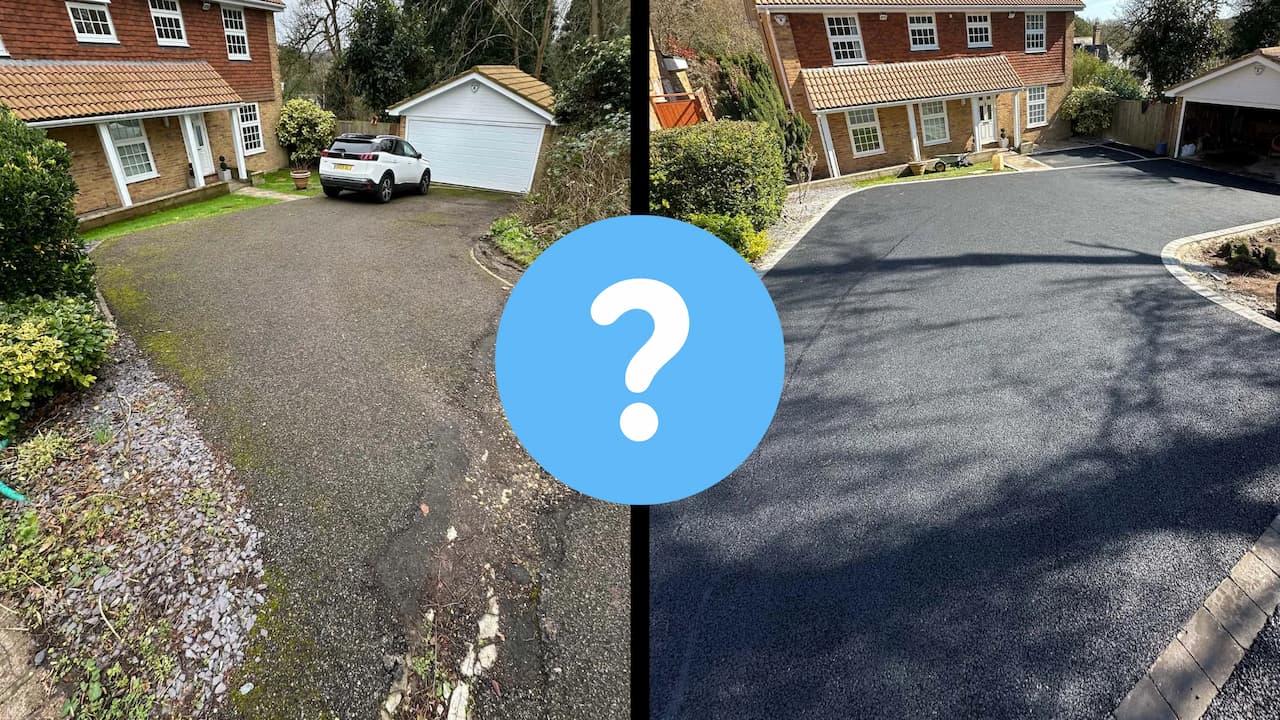
Across many towns in Greater London, Surrey and Kent, homeowners are starting to notice the same thing… neighbours installing new driveways while their own driveway is beginning to look worn and outdated.
Many driveways were installed decades ago and, over time, constant vehicle use, weather and ground movement has caused surfaces to crack, sink or become difficult to maintain. In some cases, small repairs may solve the issue temporarily, but many homeowners are now choosing to replace or resurface their driveways entirely.
If you’re wondering whether it might be time to upgrade your driveway, here are some of the most common reasons people decide to replace them, and the modern surfacing options they’re choosing instead.
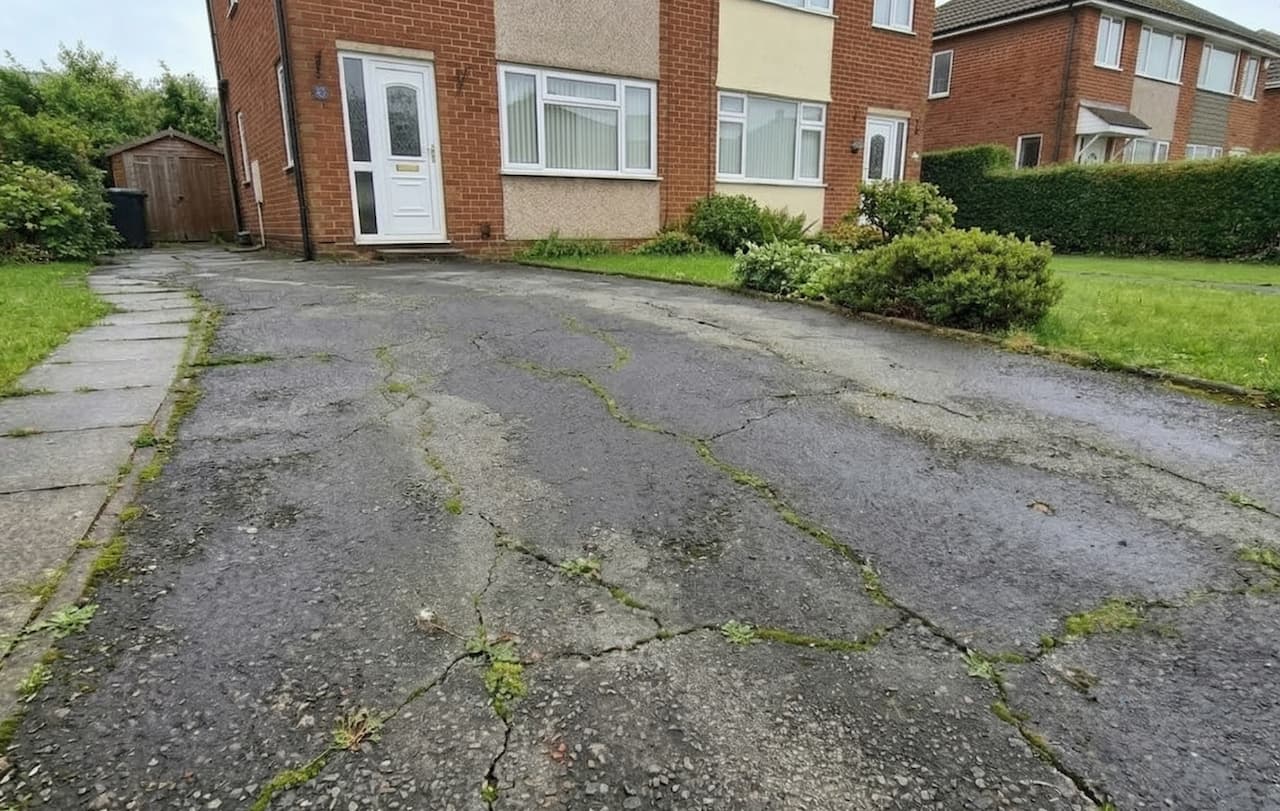
Cracks, Potholes and Sinking Areas
One of the clearest signs that a driveway is reaching the end of its lifespan is visible damage. Over time, older tarmac, concrete or block paving can develop:
- Cracks spreading across the surface
- Loose sections or potholes
- Uneven areas caused by ground movement
- Sunken edges or drainage channels
These issues can worsen quickly if left untreated. Water enters small cracks, freezes in winter and expands, gradually widening the damage.
In many cases, resurfacing the driveway with new materials can restore both the appearance and structural integrity of the surface.
Water Pooling After Rain
Poor drainage is another common reason homeowners upgrade their driveways.
Older driveways were often built using impermeable materials, meaning rainwater cannot drain through the surface. As a result, water can collect in shallow dips or run towards the house or pavement.
Modern driveway surfaces are often designed with drainage in mind. Permeable systems allow rainwater to filter through the surface and into the ground below, helping to reduce standing water and minimise drainage issues.
This is particularly helpful in areas that experience regular heavy rainfall.
Constant Maintenance and Weeds
Some driveway types require more maintenance than homeowners expect.
Block paving and gravel driveways, for example, can suffer from:
- Weeds growing between joints
- Loose stones spreading onto paths or roads
- Constant sweeping and pressure washing
While these surfaces can look attractive initially, they often require ongoing upkeep to keep them looking tidy. Whilst newer bound surfaces lock the aggregate into place, creating a smoother finish that is far easier to maintain.
Improving Appearance
A driveway forms a large part of the front of a property, so upgrading it can dramatically improve how a home looks from the street. Many homeowners choose to replace their driveway simply because it has started to look tired or outdated. Especially when they see neighbours having new driveways installed or undergoing resurfacing.
Modern surfacing options offer a wide range of colours and finishes, allowing homeowners to complement the style of their property. From contemporary resin finishes to clean tarmac surfaces with decorative edging, there are many ways to improve both appearance and functionality at the same time.
Meeting Modern Drainage Regulations
In the UK, driveways larger than around 5m² often need to allow proper water drainage. Surfaces that allow water to drain naturally can help avoid planning complications and reduce pressure on local drainage systems.
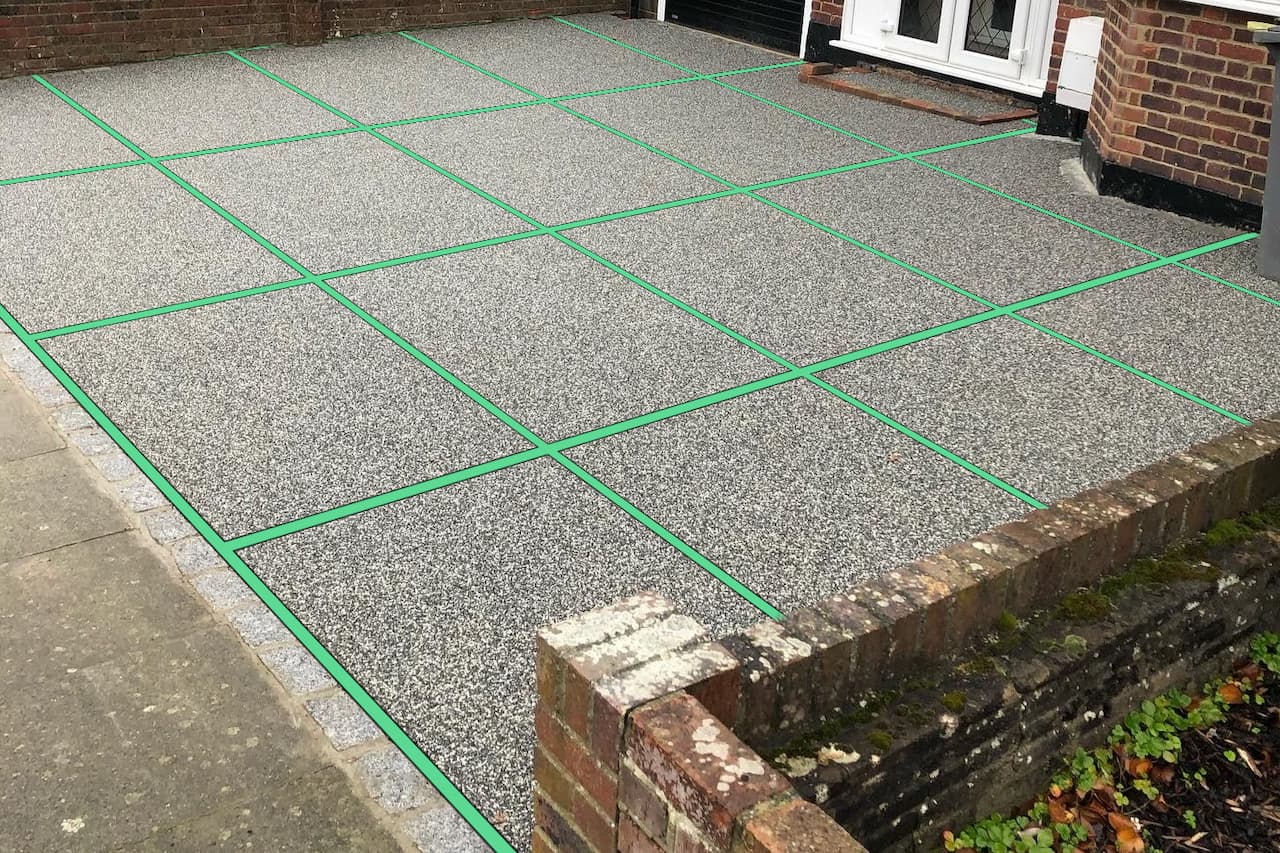
Because of this, permeable driveway systems have become increasingly popular in recent years. So choosing the right surface from the start can help homeowners avoid future drainage problems or planning issues.
Signs It Might Be Time to Replace Your Driveway
You may want to consider resurfacing your driveway if you notice:
- Cracks that keep returning
- Puddles forming after rainfall
- Large areas of weed growth
- Uneven or sinking sections
- Loose materials spreading across the surface
- A worn or outdated appearance
In many cases, replacing the surface can provide a long-term solution rather than repeatedly repairing the same issues.
Professional Surfacing Across Greater London, Surrey and Kent
We provide high-quality surfacing for driveways, roads, car parks and schools, using durable materials and modern equipment to ensure long-lasting results. Based in Keston, the team works across a wide area , including areas such as Bromley, Croydon, Orpington, Sevenoaks, Reigate, Redhill, Oxted, Caterham, Sidcup and surrounding towns.
Whether you need a new residential driveway, resurfacing for a private road or surfacing for a commercial space, professional installation ensures the surface is built to last.
Thinking About Replacing Your Driveway?
If your driveway is starting to show signs of wear, upgrading it can improve both the appearance and practicality of your home.
A professional assessment can help determine whether resurfacing or a full replacement is the best option, and which materials will work best for your property and drainage conditions.
If you’re considering a new driveway or re-surfacing, speaking to an experienced surfacing team can help you explore the options available and plan the right solution for your home.
Driveway FAQs
Here are some of the most common questions homeowners ask about driveway resurfacing and installation.
How long does a driveway usually last?
The lifespan of a driveway depends on the material used, the quality of the installation and how much traffic it receives. A professionally installed driveway can often last 15 to 25 years or more, although minor maintenance may be needed over time to keep it looking its best.
Can a driveway be resurfaced instead of completely replaced?
In many cases, yes. If the existing base is still structurally sound, it may be possible to resurface the driveway rather than fully remove and rebuild it. A professional inspection can determine whether resurfacing is suitable or whether a full replacement will provide a longer lasting result.
How long does it take to install a new driveway?
The installation time depends on the size of the area, the materials being used and the condition of the existing surface. Many residential driveways can be completed within a few days, although larger or more complex driveways may take longer.
Will my new driveway need planning permission?
Planning permission is not usually required for most driveways, but surfaces larger than around 5 square metres must allow proper drainage. Permeable driveway systems are often used to ensure water drains naturally into the ground.
What is the most low-maintenance type of driveway?
Low-maintenance driveways typically use surfaces where the aggregate is bound together rather than loose. These surfaces help reduce weed growth and prevent stones from moving around, making them easier to maintain over time.
Do you install driveways in my area?
Smart Surfacing Solutions installs driveways and surfacing across Greater London, Surrey and Kent, including Keston, Bromley, Croydon, Orpington, Sevenoaks, Reigate, Redhill, Oxted, Caterham and many surrounding towns.
You can view the full list of areas covered on the Areas page, or contact the team to check availability in your location.
Get your free surfacing quote
Let our team of experts handle your surfacing — get a free quote today.